
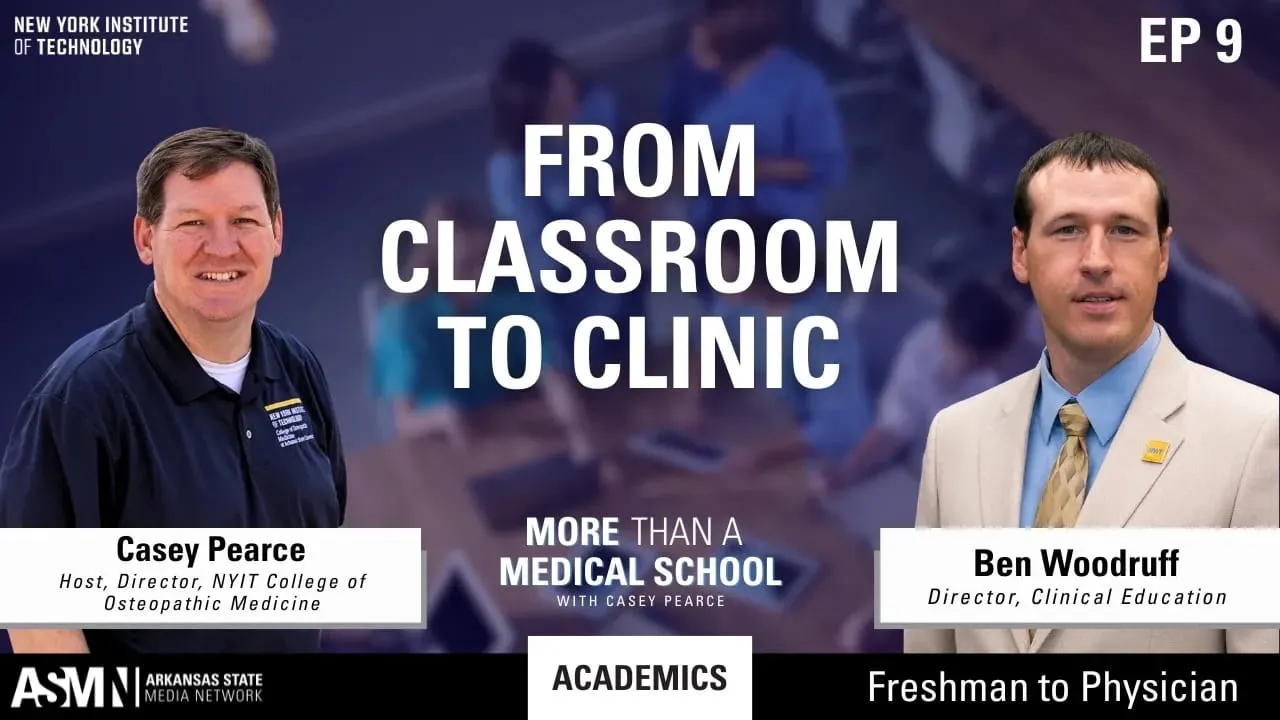
Transitioning from textbook theory to live patient care is where a medical student’s career is truly forged, yet the logistics of securing those clinical placements often remain a mystery. As the healthcare industry grapples with severe workforce shortages, especially in rural areas, understanding how future doctors are trained in community hospitals is critical for both prospective students and medical recruiters right now. Ben Woodruff, Director of Clinical Education at NYIT College of Osteopathic Medicine, breaks down the exact mechanics of managing third and fourth-year clinical rotations across a widespread network.
We sit down to dissect the operational side of medical education once students leave the classroom. The conversation covers the strategy behind establishing regional clinical hub sites, the mathematical algorithms driving the rotation placement lottery, and how students structure fourth-year audition rotations to secure competitive residencies. Ben also shares a vital philosophy on medical training, noting that a student's professional identity isn't shaped by passing exams, but by the quiet moments observing a dedicated preceptor navigate patient communication and community leadership.
The logistical reality of clinical years is incredibly demanding, often requiring students to uproot their lives, adapt to unfamiliar rural towns, and cope with the immediate disappointment of not landing their top lottery pick. You will walk away with a clear understanding of the resilience required to thrive outside a central campus environment, the value of leaning on regional clinical site managers for support, and the strategic foresight needed to turn a remote hospital placement into a guaranteed job offer upon graduation.
If you care about medical education, rural healthcare access, and physician recruitment pipelines, you’ll get a lot from this. Please remember to subscribe to the channel and share this episode with anyone navigating their medical journey or managing a hospital workforce. What is the biggest hurdle a student faces when transitioning from a classroom setting to real-world patient care?
@arkansasstatemedianetwork.com.
More About this Episode
Navigating Clinical Rotations: Your Transformative Third Year in Medical School
The journey through medical school is a demanding yet incredibly rewarding one, marked by a significant transition from classroom theory to real-world practice. For prospective and current students, understanding the pivotal third year of clinical rotations is crucial.
This episode of the "More Than a Medical School" podcast features host Casey Pierce, Director of External Relations and Marketing for NYIT College of Osteopathic Medicine (NYITCOM), and Ben Woodruff, Director of Clinical Education, as they demystify this critical stage of medical training.
Woodruff and Pierce explore how NYITCOM prepares its students for the challenges and opportunities of their experiential years, highlighting the unique partnerships and robust support systems that define their approach. This deep dive offers invaluable insights into the practical application of medical knowledge and the development of a physician's professional identity.
From Classroom to Clinic: The Experiential Shift
The first two years of medical school lay a strong foundation in hard sciences, anatomy, and osteopathic manipulative medicine within the classroom and lab. However, the third and fourth years at NYITCOM are entirely experiential, placing students directly in hospitals and clinics alongside practicing physicians. This shift allows students to integrate their scientific knowledge into active patient care.
Unlike many MD schools that operate their own hospital systems, DO schools like NYITCOM partner with community hospitals across the region. This collaborative model provides students with diverse, hands-on experiences across a range of specialties.
Core third-year rotations include Family Medicine, OBGYN, Pediatrics, Psychiatry, and Emergency Medicine (each four weeks), alongside Internal Medicine and General Surgery (each eight weeks), plus a four-week elective for specialized interests or research.
Cultivating Critical Clinical Partnerships
NYITCOM’s ability to offer comprehensive clinical rotations relies heavily on robust relationships with hospital partners and dedicated preceptors. Woodruff spearheaded the rapid development of these partnerships, engaging hospitals in Arkansas and surrounding states by highlighting the value of a continuous pipeline of future physicians.
Physicians are recruited as teachers, helping them integrate students into their daily practice and share their invaluable experience.
This commitment to training the next generation is deeply ingrained in the medical profession, with every physician having been mentored by preceptors who "paid it forward." Many preceptors now depend on medical students as an integral part of their workflow, underscoring the mutual benefits of these collaborations.
Intentional Placement for Community Impact
A cornerstone of NYITCOM's clinical education is its strategic placement of students, particularly in rural and underserved communities.
Students are assigned to "hub" cities within various regions, encompassing locations like Jonesboro, Northwest Arkansas, Little Rock, Texarkana, El Dorado, and Guam. This intentional approach aims to address physician workforce gaps in these areas.
Research shows that students exposed to rural medicine during their third year are significantly more likely to practice in such communities. These placements offer hospitals a unique opportunity to "audition" students for future employment, fostering deep connections that often lead to alumni returning to practice in these very communities.
Even students in urban hubs gain exposure to rural or underserved settings through nearby "spoke" communities.
A Robust Support System for Student Success
NYITCOM employs a unique lottery system for third-year assignments, allowing students to rank their preferred hub sites. This system ensures that over 90% of students are placed within their top three choices, and almost all land within their top half.
While initial disappointment can occur, many students later reflect on these placements as incredibly enriching and transformative experiences. The school also offers accommodations for married couples and teammate friends to ensure mutual support during rotations.
A critical element of student success is the dedicated team of Regional Clinical Site Managers. These full-time employees live within the regions they oversee, acting as the primary point of contact for students.
They manage hospital relationships, recruit preceptors, set rotation schedules, and provide essential coaching and advocacy. This localized support system helps students navigate challenges, grow professionally, and develop a strong sense of professional identity.
Listen to the Full Episode
The third year of medical school is a period of profound growth, shaping not just a student's medical knowledge but also their professional identity as a compassionate and capable physician. NYITCOM's approach to clinical rotations, with its strategic partnerships, community-focused placements, and unparalleled student support, truly embodies its "More Than a Medical School" philosophy.
To delve deeper into the nuances of third and fourth-year rotations, the differences in scheduling, the process for selecting residency programs, and the invaluable role of alumni as preceptors, tune into the full episode. Discover how NYITCOM cultivates the next generation of servant-leader physicians and continues to build a strong network of healthcare professionals impacting communities across the region and beyond.